
• Link to Facebook
  • Link to Instagram
  • Link to Youtube
  • Link to LinkedIn
  • Deutsch Deutsch Alemão de
  • English English Inglês en
  • 简体中文 简体中文 Chinês (Simplificado) zh-hans
  • Português Português Português pt-br
  • Türkçe Türkçe Turco tr
  • Español Español Espanhol es
Pulcra Chemicals
  • Home
  • Marcas e soluções customizadas
      • Descubra nossas marcas
        e soluções individuais

        Descubra as tecnologias e soluções das nossas divisões de Auxiliares Têxteis, Fibras e Couro. Explore mais >
      • Processos químicos para indústria Têxtil
      • Processos químicos para Fibras Sintéticas
      • Auxiliares de Couro
  • A empresa
  • Sustentabilidade
  • Carreira
      • Trabalhe conosco

        Preparado para grandes mudanças? Faça parte da nossa equipe e construa o futuro conosco.
      • Vagas
      • Programa Menor Aprendiz
  • Contato
      • O diálogo com você é importante para nós

        Seja você é um candidato a emprego ou um cliente e não conseguiu encontrar as informações que procurava, sinta-se à vontade para entrar em contato conosco. Contate-nos >
      • Onde estamos
      • Contate nosso time
  • Click to open the search input field Click to open the search input field Pesquisa
  • Menu Menu

Flame Retardants

Textiles and their flame behaviour

Pyrolysis is usually the first chemical reaction that occurs in the burning of many solid organic substances, like wood, paper and textiles. Pyrolysis of organic material produces low molecular decomposition products in gaseous, liquid and solid consistency. Moreover pyrolysis is accompanied by smoke. Flame retardants are chemicals used in textiles and coatings that inhibit or resist the spread of fire.  
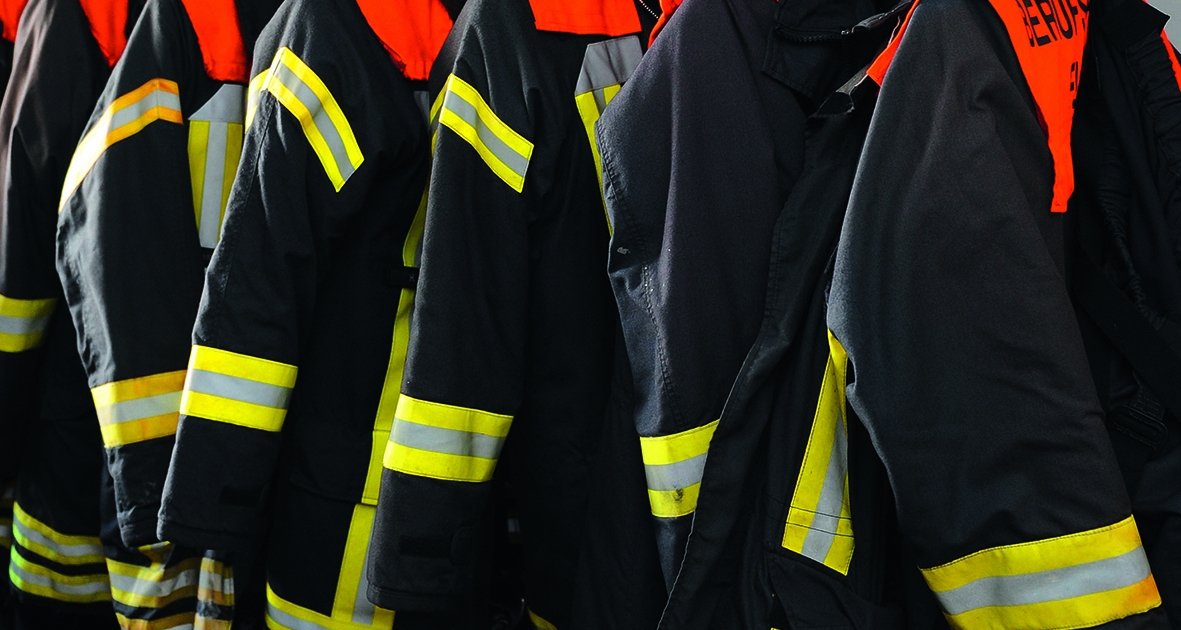
Textiles and their flame behaviour

Pyrolysis is usually the first chemical reaction that occurs in the burning of many solid organic substances, like wood, paper and textiles. Pyrolysis of organic material produces low molecular decomposition products in gaseous, liquid and solid consistency. Moreover pyrolysis is accompanied by smoke. Flame retardants are chemicals used in textiles and coatings that inhibit or resist the spread of fire.  

Temperature zones in which pyrolysis occurs

The temperatures indicated represents the fiber temperature at which pyrolysis begins. Fibers decompose in a range ­between 150 – 400 °C. Flames, however, reach a temperature of about 800 °C, well above the pyrolysis temperature of all fibers. The Limiting Oxygen Index (LOI) gives a quick indication of the flammability of a fiber. In this index, the minimum oxygen concentration is specified, which is required to start burning of the fiber. The lower the LOI-value, the less oxygen is needed to start burning.

FibersTemperatures in °C
Cotton250 – 270
Wool150 – 200
Polyester283 – 306
Polyamide 6 and 6.6310 – 380
Triacetate250 – 310
Polyacrylnitril250 – 280
Polyvinylchloride150 – 300
Polypropylene328 – 410

Here you can find more information about our products.

Flame Retardants and Productsheet Nonax FR PES

Outras informações

A Pulcra Chemicals desenvolve e produz especialidades químicas para as indústrias de fibras, têxteis e couro na unidade de Geretsried.

Contato

Fashion Chemicals GmbH & Co. KG
Isardamm 79-83
82538 Geretsried
Deutschland/Germany

Phone: +49 (0) 8171 / 628 0
Fax:      +49 (0) 8171 / 628 440

 info@pulcrachem.com

Links Legais

imprimir
Isenção de responsabilidade
Proteção de dados

© Copyright - Fashion Chemicals GmbH & Co. KG - Enfold WordPress Theme by Kriesi
Link to: SIRIAL® TIS NATUR Link to: SIRIAL® TIS NATUR SIRIAL® TIS NATURLink to: OSIMOL® RFX Link to: OSIMOL® RFX OSIMOL® RFX
Scroll to top Scroll to top Scroll to top