
• Link to Facebook
  • Link to Instagram
  • Link to Youtube
  • Link to LinkedIn
  • Deutsch Deutsch Almanca de
  • English English İngilizce en
  • 简体中文 简体中文 Modern Çince zh-hans
  • Português Português Portekizce, Brezilya pt-br
  • Türkçe Türkçe Türkçe tr
  • Español Español İspanyolca es
Pulcra Chemicals
  • Anasayfa
  • Markalar ve bireysel çözümler
      • Markalarımızı ve özel çözümlerimizi keşfedin.

        Tekstil, Elyaf ve Deri Yardımcıları bölümlerimizin teknolojilerini ve çözümlerini keşfedin. Keşfet >
      • Tekstil endüstrisi için Proses Kimyasalları
      • Sentetik elyaflar için Proses Kimyasallar
      • Deri yardımcıları
  • Şirket
  • Sürdürülebilirlik
  • Kariyer
      • Pulcra'da Kariyer

        Büyük değişikliklere hazır mısınız? Ekibimizin bir parçası olun ve geleceği bizimle şekillendirin.
      • İş ilanları
      • Pulcra’da Eğitim
  • İletişim
      • Sizinle diyalog kurmak bizim için önemlidir

        İster iş arayan olun, ister müşteri olun ve aradığınız bilgiyi bulamadıysanız veya özel sorularınız varsa lütfen bizimle iletişime geçmekten çekinmeyin. BİZE ULAŞIN >
      • Konumlar
      • Ekibimizle iletişime geçin
  • Click to open the search input field Click to open the search input field Ara
  • Menu Menu

Flame Retardants

Textiles and their flame behaviour

Pyrolysis is usually the first chemical reaction that occurs in the burning of many solid organic substances, like wood, paper and textiles. Pyrolysis of organic material produces low molecular decomposition products in gaseous, liquid and solid consistency. Moreover pyrolysis is accompanied by smoke. Flame retardants are chemicals used in textiles and coatings that inhibit or resist the spread of fire.  
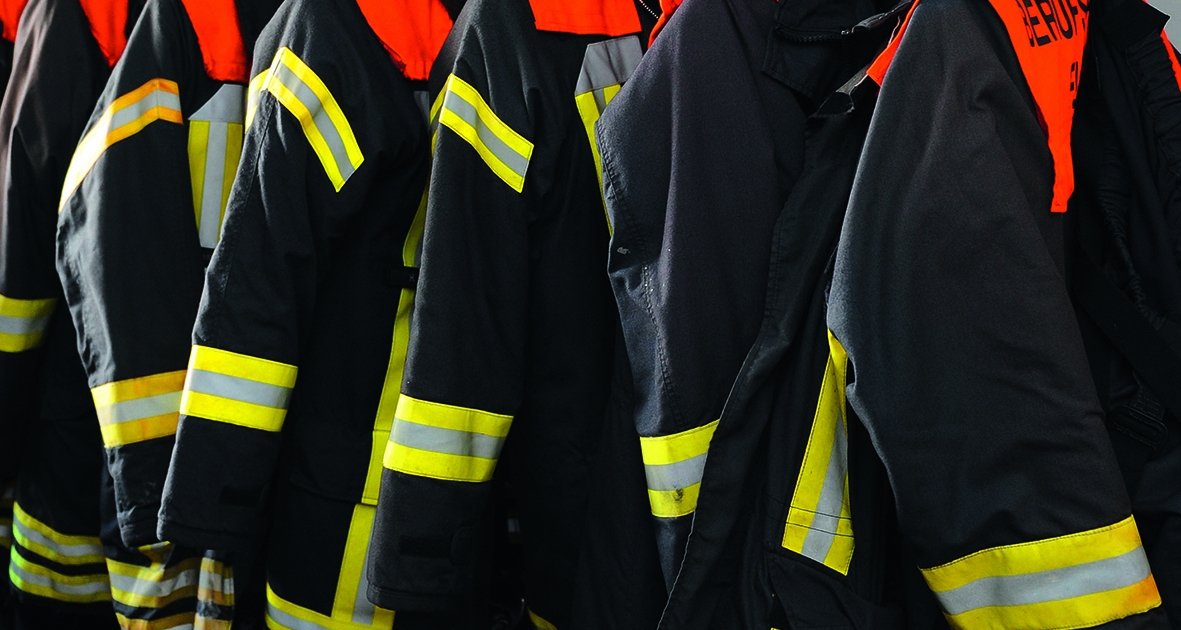
Textiles and their flame behaviour

Pyrolysis is usually the first chemical reaction that occurs in the burning of many solid organic substances, like wood, paper and textiles. Pyrolysis of organic material produces low molecular decomposition products in gaseous, liquid and solid consistency. Moreover pyrolysis is accompanied by smoke. Flame retardants are chemicals used in textiles and coatings that inhibit or resist the spread of fire.  

Temperature zones in which pyrolysis occurs

The temperatures indicated represents the fiber temperature at which pyrolysis begins. Fibers decompose in a range ­between 150 – 400 °C. Flames, however, reach a temperature of about 800 °C, well above the pyrolysis temperature of all fibers. The Limiting Oxygen Index (LOI) gives a quick indication of the flammability of a fiber. In this index, the minimum oxygen concentration is specified, which is required to start burning of the fiber. The lower the LOI-value, the less oxygen is needed to start burning.

FibersTemperatures in °C
Cotton250 – 270
Wool150 – 200
Polyester283 – 306
Polyamide 6 and 6.6310 – 380
Triacetate250 – 310
Polyacrylnitril250 – 280
Polyvinylchloride150 – 300
Polypropylene328 – 410

Here you can find more information about our products.

Flame Retardants and Productsheet Nonax FR PES

Daha fazla bilgi

Pulcra Chemicals, Geretsried tesisinde elyaf, tekstil ve deri endüstrileri için özel kimyasallar geliştirir ve üretir.

İletişim

Fashion Chemicals GmbH & Co. KG
Isardamm 79-83
82538 Geretsried
Deutschland/Germany

Phone: +49 (0) 8171 / 628 0
Fax:      +49 (0) 8171 / 628 440

 info@pulcrachem.com

Yasal Bağlantılar

Künye
Sorumluluk Reddi
Gizlilik Politikası

YONETIM POLITIKASI

BILGI TOPLUMU HIZMETLERI
KAMU BILGILENDIRILMESI

© Copyright - Fashion Chemicals GmbH & Co. KG - Enfold WordPress Theme by Kriesi
Link to: SIRIAL® TIS NATUR Link to: SIRIAL® TIS NATUR SIRIAL® TIS NATURLink to: OSIMOL® RFX Link to: OSIMOL® RFX OSIMOL® RFX
Sayfanın başına dön Sayfanın başına dön Sayfanın başına dön